
Last updated
On this page (23 sections)
- Services at a glance
- 1. How landscaping works on the edge of the Hill Country
- 2. What the climate numbers say about your yard
- 3. Drought stages, and the dates they were read
- 4. Why the Edwards Aquifer and the springs matter to a yard
- 5. Limestone, clay and shallow soil: what is under the grass
- 6. Live oaks, oak wilt and what not to prune
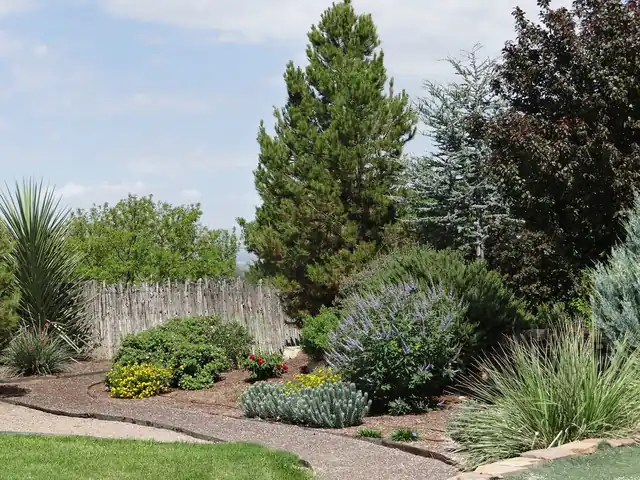
- 7. Native and xeriscape plants that suit this ground
- 8. Which lawn grass fits Central Texas
- 9. Watering a yard under Stage 3 without losing it
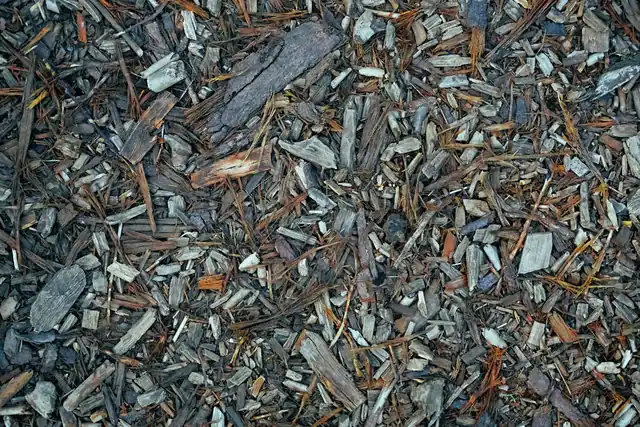
- 10. Mulch, edging and bed borders that earn their keep
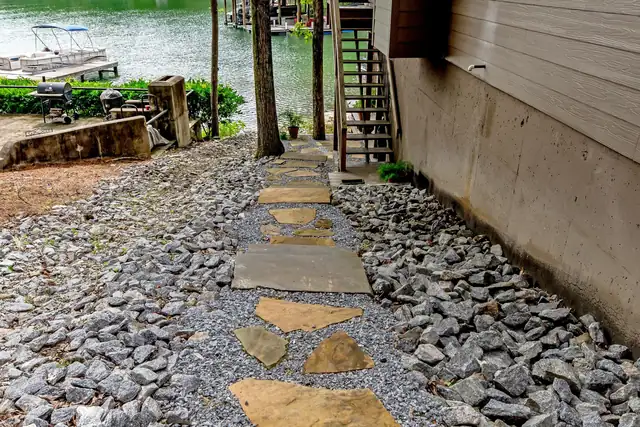
- 11. Gravel, rock and hard surfaces done sensibly
- 12. What landscaping costs, from dated published ranges
- 13. The ten services, and where to read more
- 14. The rules that apply to the work
- 15. Trees, floodplains and neighborhood rules
- 16. Yard waste, brush and leaves
- 17. Renters, landlords and old yards
- 18. How to choose a provider and what to ask
- 19. Mistakes that cost homeowners money here
- 20. A seasonal calendar for a Central Texas yard
- 21. City of San Marcos water rebate programs
- 22. Nearby areas and the guides
1. How landscaping works on the edge of the Hill Country
This page is the pillar of the site. It answers the questions people ask before they hire anyone. These cover what grows, what the water rules allow, what the work costs, which permits matter and how to pick a provider. Each section stands alone, so skip to the one you need.
Landscaping near me is a common search, and the honest answer here starts with the ground. A Texas State University soil survey of the Freeman Ranch in Hays County says soils of the Edwards Plateau region are mostly stony. They sit on limestone.[2] Yards can swing between thin, rocky ground and heavy clay. Neither holds water the way a lawn guide written for another state assumes.
Climate and water law add two more limits. Summers are hot, rainfall comes in bursts, and the city can restrict outdoor watering for months. A yard that only works with unlimited sprinklers is a poor fit for this town. The sections below show how people here design around those limits instead of fighting them.
Local note
Two facts shape almost every yard decision in town: the stage of the drought rules and the depth of soil over limestone. Check both before you spend money on plants.
2. What the climate numbers say about your yard
Weather records beat memory when you choose plants. NOAA's 1991 to 2020 normals for the San Marcos station show 36.55 inches of precipitation a year.[3] That sounds generous, but it arrives unevenly, and heat pulls much of it back out of the soil.
The same normals count 21.4 days a year at 100 F or more and 116.9 days at 90 F or more.[3] A plant that sulks above 90 degrees will spend nearly a third of the year unhappy. Cold matters less, though not zero: about 19.8 nights a year fall at or below 32 F.[3]
| Measure | Normal | What it means for a yard |
|---|---|---|
| Annual precipitation | 36.55 in[3] | Enough for natives once established, not for a thirsty lawn in summer |
| Days at 100 F or more | 21.4 a year[3] | Heat stress is a regular event, not a freak |
| Days at 90 F or more | 116.9 a year[3] | Mulch and morning watering matter for months |
| Nights at or below 32 F | 19.8 a year[3] | Tender plants need cover; warm-season grass browns |
| August normal high | 96.8 F[4] | The hardest month on new plantings |
| Hardiness zone for 78666 | 9a[5] | A USDA-based lookup lists a 20 to 25 F range |
Rain has a rhythm too. May is the wettest month at 4.53 inches, with October at 4.41 and September at 4.03, while July gets 2.21 and February 1.73.[4] Summer rainfall for June through August runs about 3.57, 2.21 and 2.60 inches, against highs of 92 to 97 F.[4] Spring and fall are for planting. Midsummer is for survival.
NOAA also counts 2,973.7 growing degree days at base 65 F each year, a measure of how much warm-season grass can grow.[3] In practice that means lawn grasses here grow hard from late spring into early fall and then slow down.
3. Drought stages, and the dates they were read
Drought stages are not permanent labels. They change, so each stage below carries a date. Treat any "as of" line as a snapshot and check the source before you act on it.
The City of San Marcos page said it was in Stage 3 restrictions and linked the Stage 3 ordinance.[1] The Edwards Aquifer Authority separately declared Stage 2 pumping cuts for the San Antonio Pool effective 3 November 2026. San Marcos Springs was at 88 cfs on a 10-day average.[6] Its live page, updated 22 November 2026, showed Stage 2 with a 30 percent reduction.[7]
| Source | Stage | As of | What it limits |
|---|---|---|---|
| City of San Marcos | Stage 3[1] | 23 Nov 2026 | Sprinklers one day every other week[1] |
| Edwards Aquifer Authority | San Antonio Pool Stage 2, 30% cut[7] | 22 Nov 2026 | Permit-holder pumping from the aquifer |
| City of Kyle | Stage 3[8] | 23 Nov 2026 | Automatic irrigation 8 p.m. to 5 a.m., one day a week[8] |
| City of Buda | Stage 3 from 4 Nov 2024[9] | 4 Nov 2024 | Moves to Stage 3 when two or more of its water suppliers do[9] |
The city and the aquifer authority use different triggers. The authority's stages start when well levels or springflow cross set lines. Stage 1 begins when the J-17 well average falls below 660 feet, Comal Springs falls below 225 cfs or San Marcos Springs flow drops below 96 cfs.[7] Those readings are 10-day averages, and required cuts rise as levels fall.[7]
Because the stage can move in either direction, design for the strictest one you may face. A landscape built for Stage 3 will also work in Stage 1. The reverse is not true.
4. Why the Edwards Aquifer and the springs matter to a yard
The aquifer is the reason the city's rules read the way they do. San Marcos Springs is an outlet of the aquifer, and its flow is one of the numbers the authority watches. When springflow falls, pumping cuts follow, and cities that depend on that water tighten outdoor use.
For a homeowner that chain has a practical meaning. Lawn irrigation is optional water use, so it is the first thing the rules restrict. Plants that never needed it cost nothing when the stage rises.
Runoff matters too. Water that leaves your yard carries fertilizer and soil toward creeks and the river. The city bans waste in every drought stage and lists runoff, misaligned or broken sprinkler heads and unrepaired leaks as waste.[1] A tidy irrigation system is both a courtesy and a legal duty.
If a provider offers to fertilize heavily just before rain, ask why. If they inject fertilizer or chemicals through an irrigation system, TCEQ requires a reduced pressure backflow assembly to protect the public water supply.[10] That is a good question to ask any irrigation provider.
5. Limestone, clay and shallow soil: what is under the grass
Soil is the quiet cause of most failed yards. The Texas State University survey of the Freeman Ranch in Hays County says soils of the Edwards Plateau region are mostly stony and underlain by erosion-resistant limestone.[2] It describes the underlying material as limestone interbedded with clay and marl.[2] It is one ranch, not a map of every lot, so treat it as a pattern, not a promise.
Depth varies a lot. One Freeman Ranch map unit is mostly extremely stony clay, with a limestone layer about 13 to 20 inches down, beneath the topsoil and subsoil.[2] That soil is well drained but slowly permeable, and depth and stones limit how much moisture it can store.[2] Plants on it dry out fast in a hot week even though the ground looks heavy.
A minor soil in the same survey, Anhalt clay, has very slow permeability and is high in shrink-swell clay over fractured limestone.[2] Shrink-swell clay is the kind that cracks in a dry spell and swells after rain. It can move walkways, edging and even foundations.
What to do about it:
- Test before you amend. The Texas Water Development Board calls a soil test the number one key to establishing and maintaining landscape plants.[11]
- Retest on a schedule. AgriLife advises testing lawn soil every 2 to 3 years through the county Extension office or the Texas A&M soil lab.[12]
- Choose fertilizer from the results. AgriLife says to pick it from the soil test rather than by habit.[12]
- Build up, not down, on heavy clay. AgriLife suggests berms or raised beds with sandy soil and a little organic matter for a native perennial that prefers rocky, well-drained soil.[13]
- Know the rock. Digging a tree hole in this ground can end at limestone. Ask the provider how they handle that before they start.
For a new lawn, the TWDB suggests blending topsoil with about 25 percent compost and starting with a soil test.[11] The city also runs a Soil Saver rebate for core aeration and compost top-dressing of lawn areas.[14]
6. Live oaks, oak wilt and what not to prune
Live oaks give much of this town its shade, and they are also the reason pruning has a calendar. The Texas A&M Forest Service says live oaks spread oak wilt through interconnected roots, and that this root spread is responsible for most tree deaths in Central Texas.[15] The disease moves underground about 75 feet a year on average.[15]
Red oaks are hit fastest and can die within a month of infection, while live oaks have intermediate susceptibility.[15] The agency advises avoiding pruning or wounding oaks from February through June.[15] The city's tree-protection spec also calls February through June the high-risk period.[16]
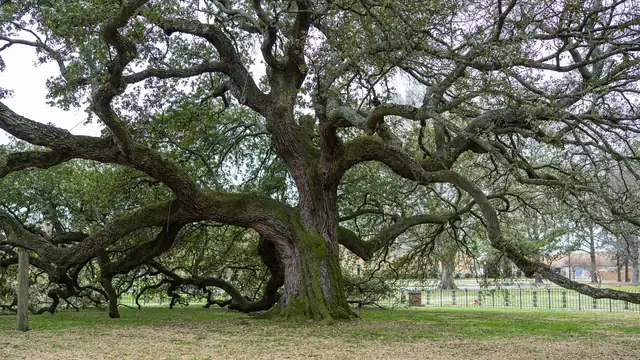
Wounds are the problem, not only saws. Any new wound, including one from a lawn mower, string trimmer or storm, can be an entry point.[15] If you must cut in the high-risk window, the Forest Service says to paint oak wounds at any time of year. This makes fresh wounds less attractive to insects.[15]
Three working rules follow:
- Schedule oak pruning for the cooler months outside February through June, unless a certified arborist says otherwise.
- Keep mowers and trimmers away from trunks and surface roots.
- If you are unsure whether an oak is infected, contact a certified arborist; the Forest Service gives the same advice.[15]
The City of Wimberley warns that oak trimming can spread oak wilt, which beetles carry to wounded or recently pruned oaks.[17] That is the same biology, a short drive away. A landscaper who offers to "shape up" your oaks in April deserves a pointed question.
7. Native and xeriscape plants that suit this ground
Xeriscape does not mean a yard of rock. AgriLife publication E-447 lists seven principles: planning and design, soil analysis, practical turf, plant selection, efficient irrigation, mulch and maintenance.[18] Plants are one of seven, and the order matters.
Texas A&M AgriLife's Edwards Plateau guide says homeowners there have many natives to choose from, which causes confusion about what to plant, keep or remove.[13] It lists live oak, Spanish oak, little walnut, Texas mulberry, netleaf hackberry and chinkapin oak among native trees.[13]
For smaller plants, the same guide describes Texas mountain laurel as an evergreen shrub or small tree, usually 10 to 15 feet tall at maturity.[13] It names native grasses and wildflowers such as sideoats and blue grama, little bluestem, Lindheimer muhly, Texas bluebonnet and Indian blanket.[13]
A simple way to think about a planting plan:
- Trees and large shrubs: the long-term shade and structure, planted where roots have room.
- Mid-size shrubs and native grasses: the body of the beds, grouped by water need.
- Wildflowers and groundcovers: seasonal color and bare-soil cover.
- Stone, gravel and mulch: the surface that holds moisture and keeps weeds down.
New plants still need water to establish, even natives. The saving comes later, once roots reach deeper soil. If you are weighing the options, the guides on native plant landscaping and drought-wise xeriscaping go deeper, and the xeriscape plant list guide helps with choosing by name.
8. Which lawn grass fits Central Texas
Grass is the biggest water decision in a yard, so choose it on purpose. AgriLife says turf selection means picking both a species adapted to your climate and a variety, based on shade or sun, soil depth, traffic and irrigation.[19]
The TWDB ties grass choice to rainfall. Bermuda and zoysia thrive in 25 to 35 inches, St. Augustine needs at least 35 inches, and buffalo and native grasses suit 15 to 25 inches.[11] With about 36.55 inches of normal rain, the town sits at the upper edge of that scale.[3] Heat and drought rules push real lawns toward the thrifty end.
| Grass | Strength here | Watch out for |
|---|---|---|
| St. Augustine | Most shade-tolerant warm-season turf; established from sod[19] | Less drought tolerant; needs more supplemental water[19] |
| Bermuda | Tolerates drought and traffic[19] | Needs full sunlight[19] |
| Zoysia | Drought tolerant; best established from sod[19] | Browns sooner than bermuda in a long drought[19] |
| Buffalograss | Low-maintenance lawn from Central to West Texas[19] | Little shade tolerance; weeds invade if overwatered[19] |
Warm-season grasses turn straw-colored at the first frost and may go dormant in winter.[19] That is normal, not death. AgriLife says ryegrass can be overseeded into bermudagrass in late September and October for winter color.[19]
Mowing height is part of the choice. An AgriLife lawn guide written for East Texas gives St. Augustinegrass 2.5 to 4 inches, common Bermuda 1 to 3 inches and hybrid Bermuda 0.75 to 2 inches.[20] Zoysia types differ: Z. japonica runs 1 to 2 inches, against 1 inch or less for fine-bladed Z. matrella.[19] A mower set too low is a common way to damage a lawn.
The guide to choosing grass for Central Texas compares these in more detail, and sod installation explains how new turf goes in.
9. Watering a yard under Stage 3 without losing it
Stage 3 is strict but workable if you know the exact allowances. The city says hose-end sprinklers and automatic systems may run only one day every other week, on the designated weekday, before 10 a.m. or after 8 p.m.[1] Soaker hose and drip irrigation get more room: one day per week on the same weekday and hours.[1]
Hand watering is the loosest. A hand-held hose or bucket is allowed any day, before 10 a.m. or after 8 p.m.[1] Foundation watering with drip, soaker hose or a hand-held hose is limited to one day per week.[1] Vegetable gardens watered by hand, soaker hose or drip may be watered any day and any time.[1]
| Method | Stage 3 allowance | Source |
|---|---|---|
| Hose-end sprinkler or automatic system | One day every other week, before 10 a.m. or after 8 p.m. | City of San Marcos[1] |
| Soaker hose or drip line | One day per week, same hours | City of San Marcos[1] |
| Hand-held hose or bucket | Any day, same hours | City of San Marcos[1] |
| Foundation watering | One day per week | City of San Marcos[1] |
| Vegetable garden, by hand, soaker or drip | Any day, any time | City of San Marcos[1] |
The city publishes a monthly sprinkler calendar in Stage 3. It alternates weeks of no sprinkler use with weeks of use on the designated weekday, and it bans sprinklers on weekends.[1] Stage 3 also prohibits at-home car washing, filling decorative water features and pools, and washing impervious surfaces.[1]
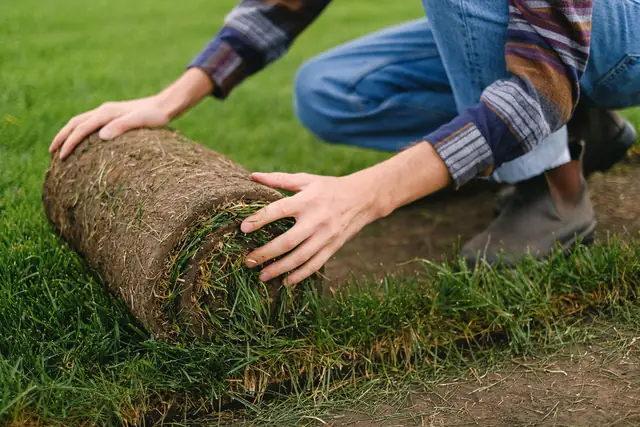
New sod is the awkward case. The city's commercial nursery exemption covers nursery inventory, but the page lists no separate exemption for newly installed residential sod.[1] If you plan to lay turf, ask the provider how they will establish it within the stage's limits, or wait.
Good habits make the allowed days count. The TWDB says landscape plants are watered most efficiently in early morning or late evening, when wind is calmer and evaporation lower.[11] An AgriLife lawn calendar written for East Texas says to soak lawns to a depth of four inches and avoid frequent shallow watering.[20] And AgriLife puts the greatest water waste in a landscape as applying too much too often.[18]
The guide to watering during drought stages covers the limits and a checklist for each watering day.
10. Mulch, edging and bed borders that earn their keep
Mulch is a low-cost drought tool in a yard. The TWDB says it cuts evaporation, evens soil temperature, reduces erosion and weeds, and that organic mulch enriches soil.[11] It recommends keeping three to four inches of mulch around plants and trees.[11]
Placement matters as much as depth. The TWDB advises applying mulch around trees in a V shape, thicker away from the bark, so moisture does not rot the trunk base.[11] Piling mulch against a trunk, the so-called volcano, is a common mistake that shortens a tree's life.
Edging holds the line between lawn and bed. Rigid metal or stone borders keep grass out of beds and mulch out of grass, and they cut trimmer work. They can also move, because shrink-swell clay shifts under them. Ask what base the edging sits on and how joints are handled.
Free mulch exists if you are willing to haul it. The city holds a brush drop-off on the second Saturday of each month for residential garbage customers, and the material is mulched.[21] Residents can pick up free mulch there, made from the material dropped off.[21] The site at 750 River Road runs 8 a.m. to 1 p.m., and the last two dates listed for 2026 were 14 November and 12 December.[21]
A hired crew cannot use that supply for customer yards, because commercial material is not accepted at the brush drop-off.[21] That rule is aimed at businesses, not at you spreading your own load on your own beds.
For purchased mulch, ask whether the price is for material only or delivered and spread, because the two differ a lot. A national cost guide dated April 2025 lists mulch at $25 to $100 per cubic yard for materials only. It lists $50 to $150 per cubic yard for delivery plus installation.[22] See mulch installation and bed care and edging and bed borders for the detail.
11. Gravel, rock and hard surfaces done sensibly
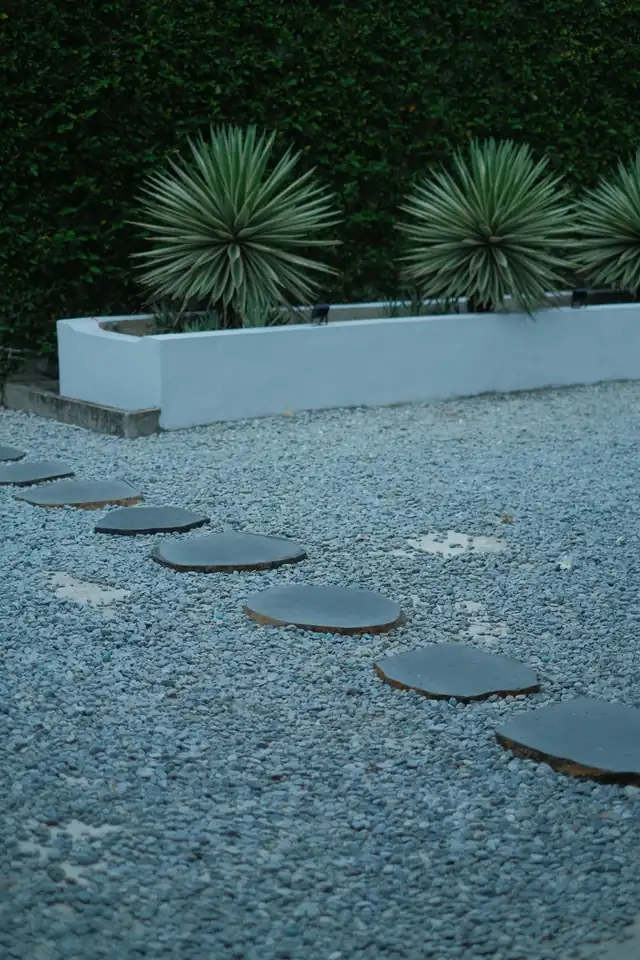
Stone is the other half of a low-water yard, and in this area it is also native to the ground. Gravel and rock beds cut watering and mowing, and they suit slopes where lawn is hard to keep. They also hold heat, so planting a tender shrub beside a white gravel bed in August is a gamble.
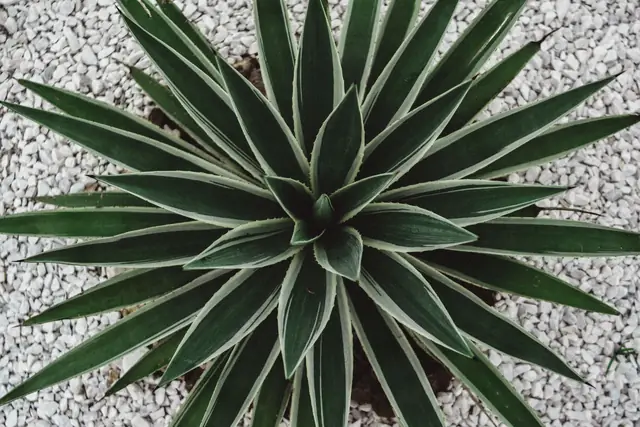
Know the materials. A national cost guide dated December 2025 lists crushed stone or gravel at $10 to $50 per ton, $15 to $75 per yard, or $1 to $3 per square foot at 12 inches deep.[23] The same publisher gives landscaping river rock at $45 to $130 per ton or $50 to $160 per yard, with typical rock-landscaping projects at $250 to $1,500.[24]
Decomposed granite is a third choice. A July 2024 guide lists it at $40 to $100 per yard natural and $100 to $225 per yard stabilized.[25] Stabilized material holds together on paths and resists washing out on a slope, which is why it costs more.
The part people skip is the base. Rock laid straight on bare soil sinks, mixes with the dirt and grows weeds through it. A proper bed usually has the area graded so water drains away from the house. It has a fabric or compacted base where appropriate, and a stone depth matched to the traffic. The yard-grading figure in a February 2026 national guide is $0.40 to $2.00 per square foot.[26]
Drainage deserves a second look on clay. A bed that holds water against a foundation can cause damage, and slowly permeable soil makes that likelier.[2] See rock and gravel landscaping for how providers price and place stone and other hard surfaces.
12. What landscaping costs, from dated published ranges
This site does not set prices. Providers do. What follows are published ranges from national cost guides, each with its date, so you can judge a written price when you receive one. They are not San Marcos averages, and local prices can sit above or below them.
| Item | Published range | Guide date |
|---|---|---|
| General landscaping | $4 to $12 per sq ft; $50 to $100 per hour[26] | Feb 2026 |
| Xeriscaping | $6 to $18 per sq ft or more[26] | Feb 2026 |
| Softscaping (trees, shrubs, beds) | $9 to $12 per sq ft[26] | Feb 2026 |
| Installed sod, new lawn | $1.00 to $2.00 per sq ft[27] | Oct 2025 |
| Remove old lawn and resod | $1.50 to $4.00 per sq ft[27] | Oct 2025 |
| Landscape design | $700 to $3,000 average range; $1,850 national average[28] | Dec 2025 |
| Design consultation fee | $100 to $200[28] | Dec 2025 |
| Mowing, 1/8 to 1/4 acre | $30 to $85 per visit[29] | Feb 2026 |
| Full-service lawn care, 1/8 to 1/4 acre | $100 to $400 a month[29] | Feb 2026 |
| Landscape curbing | $400 to $2,200 on average[26] | Feb 2026 |
| Spring cleanup / fall cleanup | $125 to $300 / $150 to $400[30] | Feb 2026 |
What moves a price: lot size, slope, access for equipment, how much rock the crew hits, the plant sizes you choose, whether old lawn must be removed first, and whether irrigation is touched. Tight access and shallow limestone add labor in a way a flat suburban lot does not.
Other per-unit figures help when comparing a written price. A February 2026 guide from the same publisher lists landscapers at $50 to $100 per hour. It lists $25 to $85 per shrub or bush and $15 to $45 per square foot for flowers.[31] Ongoing maintenance runs $100 to $200 a month.[32]
Read the whole picture on the landscaping cost page, which explains the ranges item by item. Never treat a range as a promise: a provider who cannot say why they sit above or below it should be asked.
13. The ten services, and where to read more
Landscaping is a bundle of separate jobs, and different people do them. A mowing crew rarely does irrigation work, which Texas reserves for licensed irrigators, and an irrigator rarely plants a tree. This site does not arrange irrigation work. Knowing which job you need keeps the request short. Each service has its own page with scope, cost drivers and questions to ask.
| Service | What it is | Typical scope | Read more |
|---|---|---|---|
| Landscape design | A drawn plan before work starts | One yard or one project area | Landscape design |
| Lawn care and mowing | Recurring mowing, edging and feeding | Weekly or biweekly visits | Lawn care and mowing |
| Sod installation | Laying rolls of turf on prepared soil | Whole lawn or patches | Sod installation |
| Xeriscaping | A low-water yard built on seven principles | Front yard to whole property | Xeriscaping and drought-wise yards |
| Native plant landscaping | Plants adapted to the Edwards Plateau | Beds, borders, hedgerows | Native plant landscaping |
| Edging and bed borders | Defined lines between lawn and beds | Linear feet | Edging and bed borders |
| Rock and gravel | Stone beds, paths and dry streams | Beds and slopes | Rock and gravel landscaping |
| Tree and shrub planting | Planting with correct depth and watering | Single trees to hedges | Tree and shrub planting |
| Mulch and bed care | Mulching, weeding and bed upkeep | Seasonal visits | Mulch and flower bed care |
| Yard cleanup | Debris, brush and seasonal clearing | One-time or seasonal | Yard cleanup |
If you are unsure where to start, the usual order is design, hard surfaces and grading, irrigation, planting, then mulch. Skipping ahead is how people dig up a new bed to run a pipe.
14. The rules that apply to the work
Landscaping looks like unregulated work, but several state and city rules touch it. Knowing them protects you from paying someone who cannot legally do part of the job. The local rules page lists them in more depth.
Irrigation. Texas Occupations Code 1903.251 requires a state license to sell, design, install, maintain, alter, repair or service an irrigation system.[33] A license is also needed to connect an irrigation system to any water supply, which covers tying a system into the house line.[33] Installing one without a license is a Class C misdemeanor.[33]
There is an owner exemption: Texas exempts irrigation work an owner does on his or her own home premises.[33] It does not stretch to a gardener or lawn caretaker working for hire on someone else's property.[33] A written irrigation installation contract must be signed by both sides and show the irrigator's name, license number and total price.[33]
New automatic systems must include a rain or moisture sensor or equivalent technology, and replacing a controller on an existing system triggers the same requirement.[33] TCEQ runs a public search for licensed irrigators and a complaint process.[10] Texas rules also require every advertisement for irrigation services to show the licensed irrigator's license number, and the irrigator's name when the ad shows any other name.[33] This site is not run by a licensed irrigator, so it does not arrange, price or advertise irrigation work.
Pesticides. Applying any pesticide to lawns, trees, ornamentals or weeds for hire requires a Texas Department of Agriculture license.[34] Applicators who only apply fertilizer do not need one.[34] Under the Ag Pest license, landscape applicators certify in the 3A Landscape Maintenance and/or 5 Vegetation Management category.[34] Vehicles of 3A businesses must show a TDA applicator decal.[34] This site does not arrange pesticide, herbicide or weed-control work.
Sales tax. Texas treats landscaping and the care and maintenance of lawns, yards, ornamental trees and plants as taxable real property services.[35][36] The Tax Code excludes these services when a contractor buys them as part of improving real property with a new residence.[35] Expect tax on a written price for yard work.
15. Trees, floodplains and neighborhood rules
Trees near construction are regulated. The city's adopted tree-protection spec, Item 610S, was adopted on 1 January 2020 and covers trees near permitted development; it requires a qualified arborist to supervise pruning.[16] Protective fences typically go at the outer limit of the critical root zone to prevent compaction and grade changes greater than 4 inches.[16]
Type A fencing is at least five-foot chain link on steel or T-post supports.[16] Where fences are built closer to construction, the spec calls for organic mulch 8 inches deep in the unprotected root zone.[16] Damage to oaks must be treated immediately to reduce oak wilt risk, and tree removal is cut to at most 12 inches below grade.[16]
If you are only planting a shrub, this spec is background. If you are adding a patio, grading or a new structure near a large tree, it can decide how close you may work.
Floodplain. The city requires a Floodplain Permit for any building permit on a lot not fully two feet above the regulated floodplain.[37] It also regulates a buffer zone, the extra area that would flood if the floodplain rose two feet.[37] The City Floodplain Administrator in Engineering can tell an owner whether a lot lies in the buffer.[37] The city's consolidated plan notes that most of the damage from the two 2015 floods hit 1,246 homes in the Blanco Gardens neighborhood and adjacent areas.[38]
Neighborhood associations. Texas law voids HOA rules that prohibit drought-resistant landscaping or water-conserving natural turf.[39] It protects rain barrels and efficient irrigation, including drip systems, from HOA bans.[39] An HOA may still require a plan for review, so the new landscaping looks compatible, but it may not unreasonably deny it.[39] It may also restrict new planting to water-conserving turf.[39]
16. Yard waste, brush and leaves
Cleanup is part of every landscape job, and the city has specific rules about where waste goes. Garbage customers get a green-waste cart; loose yard waste goes in the cart with no plastic bags.[40] The cart is serviced every other week depending on the route.[40]
When the cart is full, the city allows up to 12 extra paper bags of yard waste beside it on service day.[40] The monthly brush drop-off does not take soil, dirt, sod, treated lumber, or yard waste in paper or plastic bags.[21]
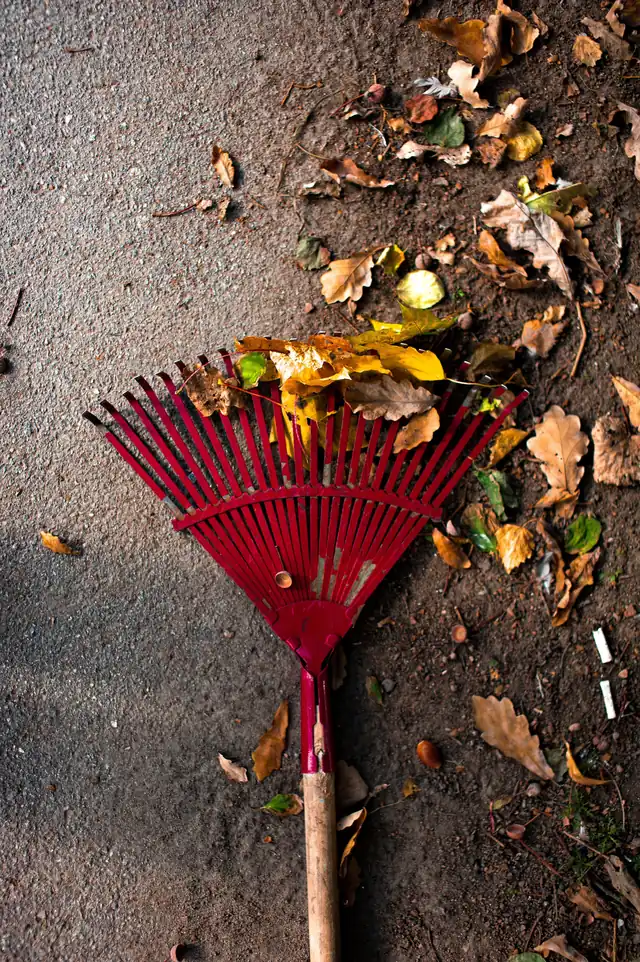
Larger loads need a plan. Residential garbage customers get four bulk pick-ups a year, each limited to 3 cubic yards, and all bulk items go to the landfill.[40] Requests must be confirmed by 3 p.m. two business days before service day.[40] Bulk brush must be no longer than 4 feet, with each piece under 5 inches across, bundled and tied, and no more than 35 pounds.[41]
Another route is the city-listed brush drop-off site in Creedmoor, where residential garbage customers may take up to 5 cubic yards of brush a month at no added charge.[42] The city asks residents to cover loads with a tarp, to avoid extra disposal fees, and to show a license and utility bill.[42]
When a provider offers haul-away, ask where the material goes and whether the price includes disposal. See yard cleanup for the usual scope and cost drivers.
17. Renters, landlords and old yards
This is a rental town. The city's consolidated plan reports (2017 five-year estimates) that 72 percent of San Marcos housing units are rented and 28 percent owner occupied. Many yards therefore belong to landlords or property managers.[38] It also describes a city home to Texas State University with 38,661 students enrolled.[38]
That mix creates a particular kind of landscaping job: low-effort, low-water, easy to maintain between tenants. Gravel, mulch, hardy shrubs and a small lawn with clean edges work better than ornamental beds that demand constant care. Landlords often want a recurring mowing visit with a clear scope and a written price.
Age is the other factor. The plan reports that 44 percent of owner-occupied and 27 percent of renter-occupied housing was built before 1980, so many yards are over 40 years old.[38] Old yards bring overgrown shrubs, buried roots, drainage that no longer works and mature trees that have outgrown their spot.
If you manage rentals, ask any provider for a written scope: what is mowed, edged and blown, how often, what counts as extra, and who disposes of debris. Put the property address and the access arrangements in the request. Lawn care and mowing covers recurring-visit pricing, and yard cleanup covers one-time resets between tenants.
Tenants should check the lease before changing anything. A tenant who replaces a lawn or plants a tree without the owner's consent may be told to restore it. A leaking sprinkler head also counts as waste of water, so who fixes it is a lease question.
18. How to choose a provider and what to ask
Start with the job, then the person. The Texas Attorney General advises getting bids from more than one contractor, in writing, with detail on what will be done.[43] It also recommends choosing a contractor with an established physical address.[43]
Ask these questions, and expect specific answers:
- What exactly is included? Plants by name and size, soil, mulch depth, edging, haul-away and cleanup.
- Who does the irrigation work? If a system is touched, the answer must be a Texas licensed irrigator.[33]
- If any herbicide or pesticide is involved, who applies it? For hire, that takes a TDA license.[34] This site does not arrange that work.
- How will the oaks be protected? Expect the February to June window to be mentioned.[15]
- How is the work scheduled around drought rules? A good answer references the current stage.
- What is the payment schedule? Avoid large payments up front.
- What happens if the weather or the limestone delays the work? Delays are common here.
On a homestead, signing a home-improvement contract can let the contractor place a lien on the home, so the AG says to understand the obligations first.[43] Texas requires contractors on homestead improvements over $5,000 to deposit payments in a construction account.[43] Neither point is legal advice; read the contract before you sign.
Compare the written details, not the total alone. Two prices that differ widely usually differ in plant size, soil prep or cleanup. The landscaping questions page answers more of these, and the page on landscape architects and designers explains when a drawn plan is worth the fee.
19. Mistakes that cost homeowners money here
Most expensive mistakes repeat. Knowing them is the cheapest protection.
- Planting in midsummer. August is the hottest month, with a normal high of 96.8 F and 10.6 days at 100 F or more.[4] New plants then fight heat and watering limits at once.
- Choosing grass for another climate. St. Augustine is less drought tolerant than bermudagrass or zoysiagrass, and it needs more supplemental irrigation here.[19]
- Watering too often. Frequent shallow watering is the opposite of the four-inch soak an AgriLife East Texas lawn calendar recommends.[20]
- Pruning oaks in spring. February through June is the high-risk period.[15]
- Skipping the soil test. TWDB calls it the number one key to establishing landscape plants.[11]
- Wasting water. Runoff, broken heads and unrepaired leaks count as waste in every stage.[1]
- Hiring an unlicensed irrigator. It is a Class C misdemeanor to install without a license.[33]
- Overwatering buffalograss. It is easily invaded by weeds if watered excessively.[19]
- Fertilizing from habit. AgriLife says to choose fertilizer from the soil test.[12]
- Long, narrow strips of turf. AgriLife advises confining grass to blocky, squarish areas, since odd shapes are hard to water efficiently.[18]
One more habit helps: write down the date you planted, the date you last watered and the stage in force. When a plant dies, those three lines usually explain why.
20. A seasonal calendar for a Central Texas yard
Seasons here are different from the Northern calendar most guides assume. Use this table as a rhythm, not a rulebook, and adjust for the drought stage and your own yard.
| Season | Good time for | Take care with |
|---|---|---|
| Late winter (Jan to Feb) | Planning, design, soil tests, hardscape planning | Avoid oak pruning from February[15] |
| Spring (Mar to May) | Planting natives and shrubs; spring cleanup ($125 to $300 published)[30] | May is the wettest month; oak wounds are risky through June[4][16] |
| Early summer (Jun) | Mulch refresh to three or four inches[11] | Heat builds; only plant what can be watered |
| Midsummer (Jul to Aug) | Maintenance, leak checks, mowing at the right height | Hottest stretch; avoid new planting[4] |
| Early fall (Sep to Oct) | Planting, overseeding ryegrass into bermudagrass[19]; October rain averages 4.41 in[4] | Watch the stage before overseeding |
| Late fall (Nov to Dec) | Fall cleanup ($150 to $400 published)[30]; brush drop-off on the second Saturday[21] | First frost browns warm-season grass[19] |
Winter is quieter, but the climate normals show January with a high of 62.3 F, a low of 38.9 F and 6.9 nights at or below 32 F.[4] That is cold enough for tender plants to need protection, and mild enough to work outdoors.
Because the calendar interacts with the drought stage, check the city's page before scheduling new irrigation or sod. The seasonal yard calendar guide lays this out season by season.
21. City of San Marcos water rebate programs
The city has several programs that can offset the cost of water-wise upgrades. Each has conditions, so read the program page before you spend money, and confirm the program is still open.
- The city's Soil Saver rebate. A rebate for core aeration and compost top-dressing of lawn areas.[14]
- The city's drip conversion rebate. For converting spray zones to drip irrigation or point-source emitters.[14] The program requires the work to be done by a Texas licensed irrigator or by the property owner.[14]
- The city's rainwater system rebates. Rebates for small and large systems; pre-approval may be needed.[14]
The city's own conservation tips for residents include choosing drought-resistant plants and checking and adjusting sprinkler heads.[1] A short audit of your own sprinkler heads costs nothing and can prevent a violation.
Rebates have a practical effect on who should do the work. A drip conversion done by an owner qualifies, which makes a weekend project possible. Anyone else needs a Texas irrigator license, which also covers connecting a system to a water supply.[33][14] Keep receipts and photos before and after, because programs usually ask for proof.
Buda offers a drought variance request form that covers new landscape irrigation, pools and power washing.[9] Ask your own city whether a similar process exists before you plan a new irrigated area under a high stage.
22. Nearby areas and the guides
People in surrounding towns search for the same help, and their rules differ. The nearby areas hub collects pages for places around the city, each with its own facts. The city of Kyle's Stage 3 rules, for example, allow automatic irrigation 8 p.m. to 5 a.m. one day a week on designated days.[8] Violating Kyle's ordinance can bring a fine of up to $2,000.[8]
Wimberley ties its dark-sky community designation to an outdoor lighting ordinance, which matters for landscape lighting.[17] Buda's conservation page said residents had to observe Stage 3 restrictions from 4 November 2024.[9] Those details sit on the area pages, not here.
For depth on single topics, use the landscaping guides hub. Published guides cover watering during drought stages, choosing grass, oak wilt and pruning, a xeriscape plant list and a seasonal calendar. For direct answers, the landscaping questions page is the place to look.
Sources
- City of San Marcos. Water & Energy Conservation (Stage 3 watering restrictions), accessed 2026-11-23
- Texas State University (Southwest Texas State University). Soils of the Freeman Ranch, Hays County, Texas (Freeman Ranch Publication Series No. 4-2000), published 2000-07-01
- NOAA National Centers for Environmental Information. 1991-2020 U.S. Climate Normals, annual/seasonal, San Marcos TX (USC00417983), accessed 2026-11-23
- NOAA National Centers for Environmental Information. 1991-2020 U.S. Climate Normals, monthly, San Marcos TX (USC00417983), accessed 2026-11-23
- phzmapi.org (third-party mirror of USDA plant hardiness zone data). Plant Hardiness Zone Map API, ZIP 78666 (2023 USDA map data), accessed 2026-11-23
- Edwards Aquifer Authority. Press release: Recent rains improve aquifer levels and prompt return to EAA Stage 2 (Nov 6, 2026), published 2026-11-06
- Edwards Aquifer Authority. Critical Period/Drought Management (CPM), published 2026-11-22
- City of Kyle. Current Drought Stage & Watering Restrictions, accessed 2026-11-23
- City of Buda. Water Conservation, published 2024-11-04
- Texas Commission on Environmental Quality. Landscape Irrigation, accessed 2026-11-23
- Texas Water Development Board. Texas Landscape Water Guide, accessed 2026-11-23
- Texas A&M AgriLife Extension. E-436 Fertilizing Texas Lawns: 10-Point Checklist for Warm-Season Grasses, published 2007-01-01
- Texas A&M AgriLife Extension. Native plants for Edwards Plateau landscapes, published 2023-03-01
- City of San Marcos. Water Rebate Programs, accessed 2026-11-23
- Texas A&M Forest Service. Prevent the spread of oak wilt this spring in Texas, published 2022-03-29
- City of San Marcos. Item 610S Preservation of Trees and Other Vegetation, published 2018-12-07
- City of Wimberley. Environmental Stewardship, accessed 2026-11-23
- Texas A&M AgriLife Extension (Texas Water Resources Institute irrigation site). E-447 Xeriscape: water-efficient landscaping, accessed 2026-11-23
- Texas A&M AgriLife Extension. Turfgrass Selection for Texas (L-5519), published 2010-06-01
- Texas A&M AgriLife Extension. Lawn Maintenance Guide, accessed 2026-11-23
- City of San Marcos. San Marcos Monthly Brush Drop-Off Event, accessed 2026-11-23
- HomeGuide. How Much Does Mulch Cost?, published 2025-04-30
- HomeGuide. How Much Does Crushed Stone or Gravel Cost?, published 2025-12-19
- HomeGuide. How Much Do Landscaping River Rocks and Stones Cost?, published 2025-12-19
- HomeGuide. How Much Does Decomposed Granite Cost?, published 2024-07-30
- HomeGuide. How Much Does Landscaping Cost?, published 2026-02-04
- HomeGuide. How Much Does Sod Installation Cost?, published 2025-10-31
- HomeGuide. Landscape Design Cost, published 2025-12-23
- HomeGuide. How Much Does Lawn Care Cost?, published 2026-02-04
- HomeGuide. How Much Does Yard Cleanup Cost?, published 2026-02-04
- HomeGuide. How Much Do Landscapers Charge to Plant Shrubs, Flowers, and Bushes?, published 2026-02-04
- HomeGuide. How Much Does Landscaping Maintenance Cost?, published 2026-02-04
- Texas Commission on Environmental Quality. RG-470 Landscape Irrigator's Rule Compilation (Feb 2021), published 2021-02-01
- Texas Department of Agriculture. Applying Pesticides to Ornamentals, Trees, Lawns, or Weeds, accessed 2026-11-23
- Texas Legislative Council (Texas Constitution and Statutes). Tex. Tax Code Sec. 151.0048 Real Property Service, accessed 2026-11-23
- Legal Information Institute, Cornell Law School (Texas Comptroller rule). 34 Tex. Admin. Code 3.356 - Real Property Service, accessed 2026-11-23
- City of San Marcos. FAQs, Engineering Department - Development (floodplain), accessed 2026-11-23
- City of San Marcos. City of San Marcos Five Year Consolidated Plan for the 2020-2024 Program Years, accessed 2026-11-23
- Texas Legislative Council (Texas Constitution and Statutes). Tex. Prop. Code Sec. 202.007 Certain Restrictive Covenants Prohibited, accessed 2026-11-23
- City of San Marcos. Residential Curbside Services, accessed 2026-11-23
- City of San Marcos. Bulk Waste Pick-Up form, accessed 2026-11-23
- City of San Marcos. Texas Disposal Systems Brush Drop-Off, accessed 2026-11-23
- Office of the Texas Attorney General. How to avoid home improvement scams, accessed 2026-11-23